
Best Apps for Viewing X-ray Images
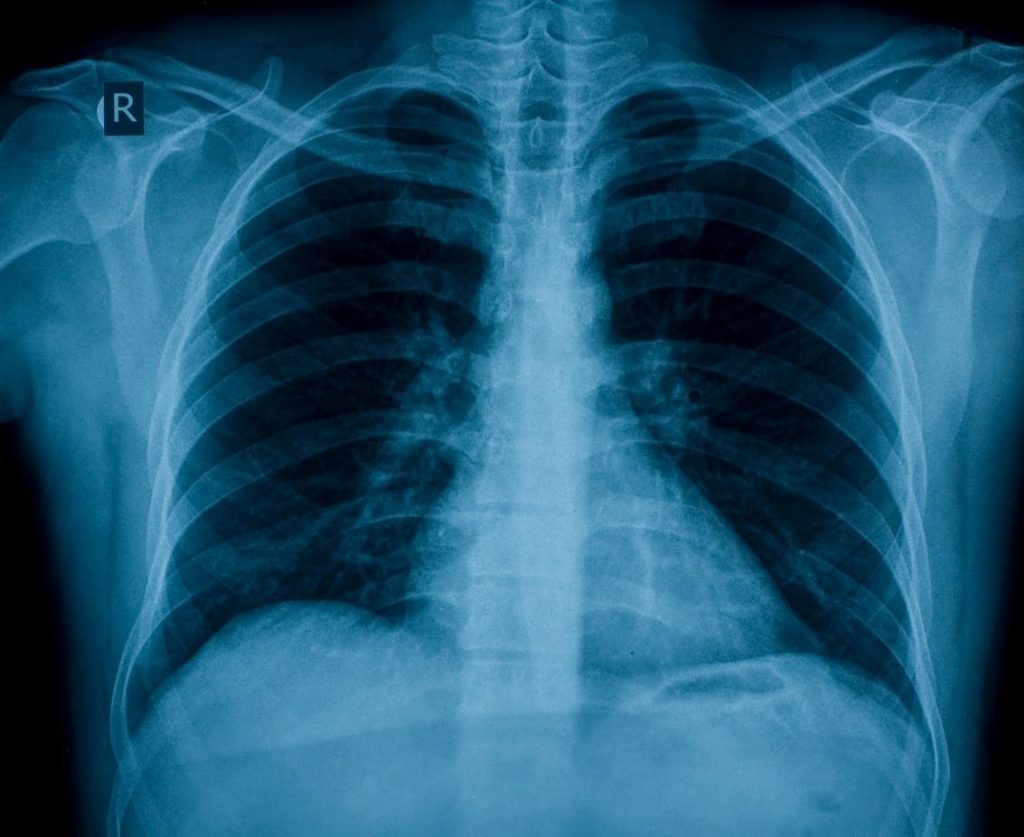
Currently, apps for viewing X-ray images offer practical ways to access digital exams and study anatomy via mobile phone. With different purposes, these tools cater to everyone from those who want to open files received from a clinic to students interested in learning more about the structures of the human body. Therefore, choosing a suitable radiology app begins with understanding which images you intend to view and which features you really need to use.
Furthermore, it is important to clarify that No app can turn your phone's camera into an X-ray machine.. The options presented in this article allow you to view previously performed exams or consult educational images. Therefore, before downloading an app for Android or iPhone, it's worth checking its purpose, file compatibility, and access conditions. Below, you will find five alternatives for different viewing and learning needs.
How do I choose an app to view X-ray images?
First, it is worth distinguishing a DICOM viewer From an atlas of radiological anatomy. The first is used to open medical images in a format used by diagnostic imaging services; the second gathers materials prepared for study. Therefore, those seeking to consult a personal exam need a different solution than that used to review anatomical structures. In this selection, the first two applications are geared towards viewing exams, while the others offer educational resources.
1. IDV — IMAIOS DICOM Viewer
To begin with, the IDV — IMAIOS DICOM Viewer It's an alternative for those who need to view digital medical images on their smartphone. Available for Android and iPhone, it's presented by IMAIOS as free for personal and non-commercial use. Therefore, it can be a starting point for those looking for an application to open DICOM files without initially subscribing. Its purpose is to work with existing images, such as those provided by radiology services, and not to produce exams using the device's camera.
Furthermore, according to the developer, the data uploaded to IDV is not sent to the network during normal use, except for sharing features. This functionality deserves attention when choosing a tool to handle personal health information. Before downloading, confirm with the clinic whether the exam can be made available in a compatible format. This way, you avoid installing a viewer when you have only received a PDF with the report or an address for exclusive access through the establishment's portal.
2. 3DICOM Mobile
Next, the 3DICOM Mobile It offers a mobile access solution for medical images integrated into the 3DICOM ecosystem. Available for Android and iOS, the app complements the company's viewing platform. Therefore, it may be of interest to those who want to view their exams on different devices, maintaining access associated with their own account. However, this integration also means that its operation involves steps beyond simply installing an app and selecting any file stored on the phone.
In this regard, the official documentation states that exams must first be submitted through the web platform before appearing in the mobile application. Therefore, before downloading now, check the service terms, available plans, and compatibility with your exam. It is also important not to confuse downloading the application with free access to all features. For those who only want to open a local file occasionally, it is worth comparing this workflow with that of an independent viewer before choosing.
3. IMAIOS e-Anatomy
On the other hand, the IMAIOS e-Anatomy This app stands out as an option for studying human anatomy with reference medical images. Its collection includes radiographs, cross-sectional images, diagrams, and illustrations accompanied by identification of the structures. Thus, the app fulfills a need beyond simply opening personal exams: consulting a radiological anatomy atlas on a mobile phone. For students and healthcare professionals, this organization allows them to relate the names of structures to their appearance in different representations of the human body.
Furthermore, the tool offers image enlargement, navigation between series, structure search, and caption selection by category. However, installing the app does not guarantee complete and free access to the content, as full access to the modules requires a subscription or eligible institutional access. Therefore, before subscribing, check if your university or library already offers the service. It's also worth checking for any additional downloads needed to use the desired material and the available storage space on your smartphone or tablet.
4. X-ray Anatomy
Already X-ray Anatomy This is an alternative for those who wish to study X-ray images on their iPhone or iPad. The official description presents an atlas with radiographs of regions such as the thorax, spine, pelvis, and limbs, as well as identified structures to facilitate visual learning. Therefore, its purpose is particularly interesting for reviewing anatomy using radiological images. Instead of searching for just one isolated image online, the student can consult material organized around body structures and regions.
Furthermore, the app features quizzes and case studies with annotated X-rays, allowing you to complement your image observation with review activities. However, although installation is free on the App Store, there are in-app purchases. Therefore, check which content is available before planning your study routine. Also, check the device compatibility requirements: the consulted page indicates a need for iOS 17 or later for iPhone. Your educational focus should guide your choice, especially if you are looking for an atlas for learning.
5. Radiological Positions — X-ray
Finally, the Radiological Positions — X-ray This is an Android application focused on the study and review of radiographic techniques. It organizes content by anatomical regions, including skull, spine, thorax, abdomen, pelvis, and limbs. In addition, it presents illustrative images of the projections and information on positioning. In this way, it functions as an educational supplement to understand how different projections are organized, being a more specific option for radiology students than for those who want to open a personal exam received from the clinic.
In this context, searching by name or category helps locate topics within the application, which also presents technical information related to incidents. However, the developer clarifies that the content is exclusively educational and does not replace institutional protocols or professional guidance. Therefore, the best way to use it is to support the review of content learned in classes and reference materials. The Play Store page also indicates the presence of advertisements, a relevant detail for those who intend to consult the app frequently.
Features that deserve attention before downloading.
First of all, consider whether you need open your own exam or consult images to study. This decision helps narrow down the list of options and avoids unrealistic expectations. For personal exams, check the format provided by the clinic and the access instructions. For study purposes, evaluate the organization of the atlas, the identification of structures, and the presence of exercises. This way, the choice will consider the task you want to accomplish, and not just the name or appearance of the application.
Furthermore, carefully compare the access conditions. Expressions like "free download" may only indicate that installation is free, while additional modules, subscriptions, and features remain paid. Therefore, consult the official description on the Play Store or App Store before confirming a purchase. Also check if the service depends on an account, an internet connection, or prior uploading of files to an external platform.
Similarly, consider privacy when working with digital exams. Before sharing any file, check if it contains your name, date of birth, or other personal information. If your intention is only to show the exam during a consultation, ask the responsible service what the appropriate way to make it available is. This way, you keep images and reports organized and avoid distributing health documents unnecessarily.
Conclusion
In short, the best apps for viewing X-ray images vary depending on the purpose. IDV and the 3DICOM Mobile They offer ways to view digital exams, while the e-Anatomy, the X-ray Anatomy and the Radiological Positions — X-ray They cater to different study needs. Therefore, the choice should consider the image format, the phone's operating system, and the features that are actually needed.
Finally, use the official links to check availability and download the most suitable option. Remember that viewing an image is not the same as interpreting an exam: questions about results should be clarified with the responsible professional. In this way, apps can complement access to information and learning without being confused with X-ray machines or diagnostic services.