Content creators as a new form of entertainment: why have influencers become celebrities?
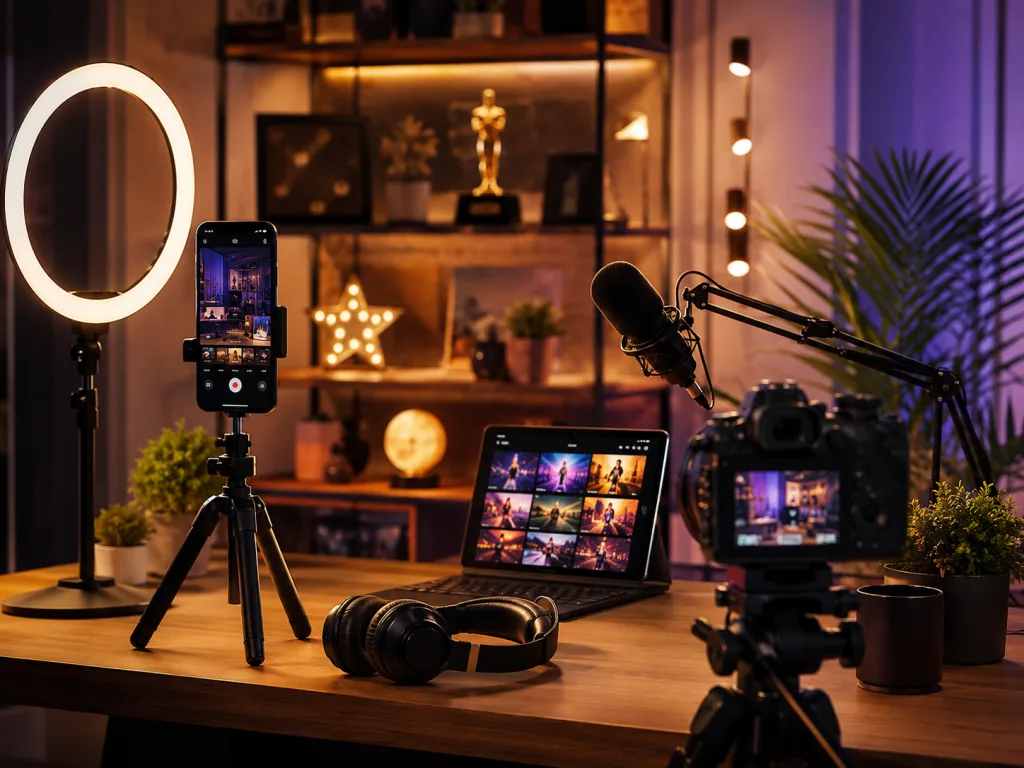
Content creators have become one of the main forces in entertainment today. People who started by recording videos at home, commenting on everyday topics, making jokes, teaching something, or sharing their routines now occupy spaces that were once almost exclusively held by actors, singers, presenters, and athletes. Many influencers fill events, launch products, participate in campaigns, create their own brands, and drive huge communities on social media.
This phenomenon shows that the concept of celebrity has changed. Fame no longer depends solely on television, film, or music. Now, it also originates on mobile phones, in feeds, short videos, live streams, podcasts, and digital communities. Audiences follow creators not only for the content but also for the feeling of closeness, identification, and connection.
Proximity has changed the relationship with the public.
One of the reasons influencers have become celebrities is their proximity. Unlike traditional stars, who often appear distant, styled, and protected by large structures, content creators tend to show behind-the-scenes glimpses, routines, opinions, and everyday moments.
This exposure creates the feeling that the audience knows that person. The influencer appears at breakfast, at work, on trips, in funny moments, in difficult times, and even in family situations. This constant presence generates a strong emotional connection.
Of course, not everything shown on social media is entirely spontaneous. There's editing, strategy, and image building involved. Even so, the format conveys intimacy. The follower feels like they're watching a real person, not just a distant character.
Entertainment has become more personal.
The growth of creators is also linked to the personalization of entertainment. Previously, millions of people watched the same programs on television. Today, each user receives content tailored to their tastes, lifestyle, and interests.
This allows niche creators to become very relevant. There are influencers in humor, finance, beauty, gaming, motherhood, cooking, decoration, technology, faith, studies, travel, politics, sports, and practically any imaginable topic.
Deloitte pointed out in its 2026 digital media data that, among Generation Z youth, 551,300 say that social media content is more relevant to them than traditional content, and 521,300 say they feel a stronger personal connection with social media creators than with actors and TV personalities.
This data helps explain why influencers are not just disseminators. For many audiences, they are already the main source of entertainment.
Routine has become content.
Another important factor is that everyday life has become entertainment. Tidying the house, cooking, exercising, studying, working, traveling, shopping, skincare, organizing schedules, or commenting on news can all become interesting videos when presented with good language.
The public enjoys following routines because they create a sense of identification. Often, it's not the subject matter itself that captures attention, but the creator's personality. A charismatic person can transform simple activities into engaging content.
This logic also explains the success of vlogs, stories, and live streams. Viewers don't just want to watch something pre-made; they want to follow the process, see behind-the-scenes footage, and watch small scenes from everyday life.
Creators form communities
Strong influencers don't just have an audience. They have a community. This means their followers comment, share, advocate, participate in polls, buy products, follow new releases, and feel part of a group.
This community greatly increases the power of creators. When an influencer recommends a product, comments on a series, suggests a song, or launches a brand, part of the audience pays attention because they trust that opinion.
This connection is one of the reasons why brands invest so much in creators. The creator economy is no longer a small phenomenon. Estimates from Grand View Research indicate that the global creator economy market was valued at $252.33 billion in 2025 and could reach $1.345 trillion in 2033.
Fame became more accessible.
In the past, becoming famous almost required working with television networks, record labels, production companies, or major media outlets. Today, anyone with a cell phone, internet access, and creativity can publish content and reach an audience.
This doesn't mean it's easy. Growing on social media requires consistency, strategy, adaptability, charisma, and the ability to understand the language of the platforms. But the gateway has become more accessible.
This shift has allowed celebrities to emerge outside of traditional paths. Ordinary people, often without professional structures at the start, have managed to transform skills, opinions, or personalities into careers.
Short videos accelerated fame.
Short videos have played a decisive role in this transformation. Platforms like TikTok, Instagram Reels, and YouTube Shorts allow an unknown creator to reach millions of people quickly.
A funny video, a strong opinion, a dance, a helpful tip, or a well-told story can go viral in just a few hours. This rapid reach creates new celebrities at a much faster rate than traditional media.
Furthermore, algorithms don't just rely on the number of followers. A small creator can reach a large audience if their content generates retention, shares, and comments. This has made digital entertainment more dynamic and unpredictable.
Influencers have become brands.
Many creators have gone from being just well-known individuals to becoming brands. They launch courses, books, beauty products, clothing, food, events, podcasts, businesses, and subscription clubs.
This trend shows that influence can be transformed into a business. The audience not only follows free content, but also consumes products related to the creator's universe.
In 2025, an analysis published by The Guardian highlighted that content from creators on social media was on track to surpass traditional media in advertising revenue, driven by platforms such as YouTube, TikTok, and Instagram.
This confirms that creators are no longer a secondary part of entertainment. They have become protagonists in a new attention economy.
Authenticity has become a value.
Today's audience values content that feels authentic. Even with production value, the creator needs to convey truthfulness, spontaneity, and personality. When everything seems too artificial, the connection can be lost.
This search for authenticity explains the success of simple videos, home recordings, behind-the-scenes footage, and direct conversations with the camera. Often, the audience prefers a creator speaking honestly on their cell phone to a highly produced advertising campaign.
However, this authenticity also brings challenges. Influencers live under constant pressure to share, give their opinions, and remain relevant. The boundary between personal life and work can become blurred.
The public participates in the construction of fame.
Traditional celebrity was built from the top down: broadcasters, magazines, record labels, and studios decided who would be seen. In the creators' universe, the audience participates much more in this process.
Likes, comments, shares, clips, memes, and recommendations help propel a person forward. Fame is born from the continuous interaction between creator and audience.
This makes the relationship closer, but also more unstable. An influencer can grow rapidly, but can also lose relevance if they stop connecting with their audience or become involved in controversies.
Conclusion
Influencers have become celebrities because entertainment has changed. Audiences seek closeness, authenticity, identification, and personalized content. Content creators offer all of this in fast, accessible, and consistent formats.
They occupy the space previously dominated only by traditional artists because they manage to transform routine, opinion, humor, knowledge, and lifestyle into entertainment. More than just followers, many creators build loyal communities capable of driving conversations, trends, and business.
The new celebrity isn't just on stage, in soap operas, or in movies. They're also on social media feeds, short videos, podcasts, live streams, and on phone screens. And in an increasingly connected world, this form of fame is likely to continue growing.