Meditation apps to relax and sleep better.
The hustle and bustle of daily life leaves your mind racing, and when it's time to sleep, it's hard to fall asleep. Meditation apps can help you slow down with breathing exercises, guided meditations, nature sounds, and bedtime stories.
No experience is necessary: many apps start with sessions lasting only a few minutes and explain everything step by step. Check out the most popular options, including completely free alternatives.
How to choose a meditation app
Check if the app has content in Portuguese, short sessions for beginners, and a sleep section with sounds and stories. Some are paid after the trial period; others have a huge free library.
The most recommended apps
Insight Timer
It has one of the largest libraries of free meditations in the world, with thousands of sessions in Portuguese recorded by different teachers.
- Thousands of free meditations
- Content in Portuguese
- Timer for meditating alone
I meditate
Maintained by a non-profit foundation, 100% is free, ad-free, and subscription-free.
- Completely free
- No ads
- Courses for beginners
Headspace
Very educational, with animations and themed courses on anxiety, focus, and sleep. It's a paid course with a trial period.
- Guided and didactic courses
- Area dedicated to sleep.
- Subscription with trial period
Calm
Famous for its bedtime stories and relaxing sounds. Some content is free, and the rest is available by subscription.
- Bedtime stories
- Sounds of nature and music
- Free part and subscription
How to start meditating
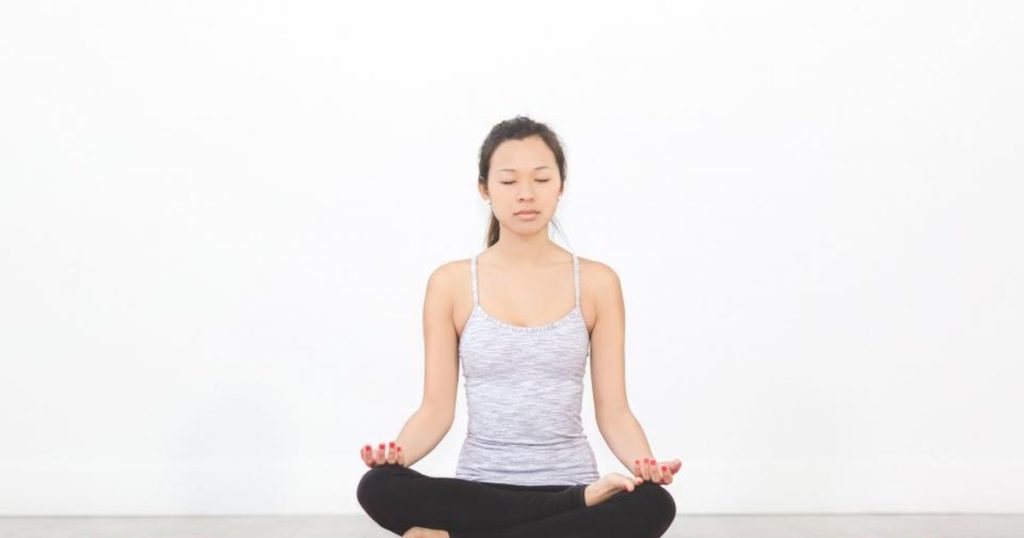
Start with five minutes a day, always at the same time. Sit comfortably, close your eyes, and follow the guided meditation voice. If your mind wanders, simply return your attention to your breath, without putting pressure on yourself.
To sleep better, avoid bright screens before bed: use your phone's night mode and leave the screen off while listening to audio.
When to seek professional help
These apps can help with well-being, but they are not a substitute for medical or psychological care. If insomnia or anxiety are frequent, seek a healthcare professional.
A breathing exercise to do now.
Try the 4-7-8 breathing technique: inhale through your nose counting to 4, hold your breath counting to 7, and exhale slowly through your mouth counting to 8. Repeat four times. This rhythm helps to slow down and can be done in bed before sleeping, or at any time of tension.
If you feel dizzy, resume normal breathing. With practice, the exercise becomes easier and the relaxation effect appears faster.
Habits that help you sleep better
Try to go to sleep and wake up at the same time every day, including weekends. Avoid caffeine in the late afternoon, keep your bedroom dark and quiet, and dim the lights an hour before bed. Apps work best when they're part of this routine, not as a standalone solution.
Frequently Asked Questions
Is there a completely free meditation app?
Yes. Medito is 100% free and Insight Timer has thousands of free meditations.
Does meditation help you sleep?
Many people report that breathing exercises and meditations for sleep help them relax and fall asleep faster.
How long should I meditate?
Start with 5 to 10 minutes a day. The most important thing is consistency.
Try an app for a week, with short sessions, and see how a few minutes of break can make a difference in your day and your sleep.