Concerts and festivals as an experience: why are audiences looking for more than just live music?
For a long time, going to a concert meant primarily watching an artist perform live. The audience bought a ticket, arrived at the venue, enjoyed the performance, and went home with the memory of their favorite songs. Today, this logic has changed. Concerts and festivals are no longer just musical events; they have become complete experiences of entertainment, social interaction, lifestyle, and cultural identity.
The public still goes to listen to music, of course. But they also seek impressive settings, comfort, interaction, gastronomy, Instagrammable spaces, connection with other people, and moments that can be remembered far beyond the performance on stage. In an increasingly digital world, in-person events have gained a special value: they offer the feeling of experiencing something unique, collective, and real.
Music is central, but it's not everything.
Music remains the primary reason someone buys a ticket to a concert or festival. Seeing a favorite artist live has a different emotional impact than listening to the same music at home or on headphones. The voice, the energy on stage, the audience's reaction, and the visual effects create an atmosphere that is difficult to replicate in other formats.
However, today's audience expects more than just a good musical performance. They want the event to have a beginning, middle, and end, as a complete experience. This includes arrival at the venue, organization, atmosphere, food stalls, security, lighting, screens, rest areas, and even brand activations.
When everything goes well, the show ceases to be just a performance and transforms into a cherished memory.
Festivals have become entertainment destinations.
Large festivals clearly demonstrate this change. Many of them are no longer seen merely as a series of concerts, but as true entertainment destinations. The public spends hours or days at the venue, moving between stages, sampling food, meeting people, visiting themed areas, and participating in side activities.
In this format, the experience goes beyond the main artist. Sometimes, the person discovers a new band, attends an unexpected performance, takes photos in creative settings, or shares a memorable moment with friends.
The festival creates a kind of universe of its own, with a visual identity, language, community, and atmosphere. That's why many people buy tickets even before knowing the entire program. The event's brand and the promise of an experience are enough to generate interest.
The audience wants to experience something shared.
In the age of streaming, social media, and on-demand entertainment, much is consumed individually. Each person watches what they want, at the time they prefer, often alone. Concerts and festivals offer the opposite: a collective experience.
Singing along with thousands of people, getting excited at a surprise entrance, waiting for your favorite artist to appear, and feeling the energy of the crowd are moments that create a sense of belonging.
This connection is one of the great strengths of live events. The audience isn't just there to see the artist, but to feel like they're part of something bigger. This collective experience is difficult to replace with any online broadcast.
Social media has changed the way we experience events.
Social media has also greatly influenced the evolution of concerts and festivals. Today, many people want to capture the moment, share photos, post videos, and show that they were there.
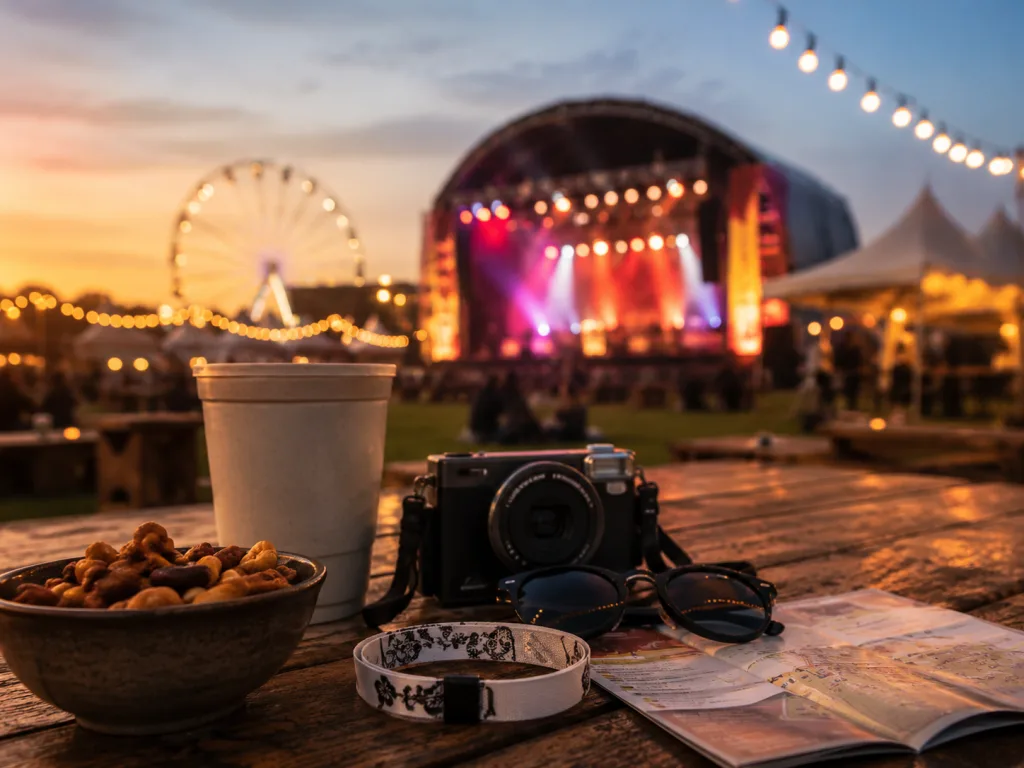
This has led events to invest more in set design, lighting, visual identity, and dedicated photo areas. Grand stages, illuminated wristbands, themed panels, and decorated areas help transform the event into content.
For the audience, recording is part of the experience. For artists and organizers, it serves as spontaneous publicity. Each video posted by a spectator can reach people who weren't there and increase their desire to participate in a future edition.
The show turned into a sensory experience.
A good live event engages several senses simultaneously. Sound is essential, but lighting, visual effects, smoke, screens, costumes, food court aromas, and even the organization of the space all influence the audience's perception.
Great artists are already thinking of their shows as complete spectacles. The performance may include a narrative, set changes, choreography, special effects, striking costumes, and moments designed to surprise.
This sensory experience increases the emotional impact. The audience doesn't just listen to music. They experience a sequence of stimuli that makes that moment more intense and memorable.
Comfort and structure have become more important.
The public is also more demanding regarding the infrastructure. Long lines, insufficient restrooms, poor sound, lack of signage, difficulty buying water, or security problems can completely compromise the experience.
Therefore, good events need to consider practical details. Access to the venue, rest areas, hydration, food, accessibility, transportation, and security are fundamental parts of the perceived value.
When the ticket price is high, expectations rise even further. The audience wants to feel that they paid not just for a few hours of music, but for a well-organized experience from beginning to end.
Brands got involved in the experience.
Many festivals feature brand activations, lounges, giveaways, interactive experiences, and sponsored spaces. When done well, these actions don't just seem like advertising, but part of the entertainment.
A brand can offer a rest area, an immersive experience, a photo backdrop, or some other useful service. This enhances the audience's experience and creates a positive association with the event.
The key is to avoid excess. When there is too much advertising or poorly integrated actions, the public may feel that the experience has become artificial. Ideally, brands should add value to the moment.
The pursuit of experiences surpasses possession.
Another important factor is the change in consumer behavior. Many people, especially younger ones, value experiences as much as physical products. Instead of spending only on objects, they prefer to invest in travel, events, shows, and special moments.
A show may only last a few hours, but the memory can last for years. The experience becomes a story to tell, a photo to keep, and an emotional memory.
This emphasis on lived experience helps explain why the public is willing to invest in tickets, transportation, accommodation, and food to participate in large events.
Conclusion
Concerts and festivals continue to have music as a central element, but today's audience seeks much more than just hearing live songs. They want to live a complete experience—visual, emotional, social, and memorable.
The power of these events lies precisely in the combination of artist, audience, environment, structure, technology, conviviality, and sense of belonging. In a world full of digital content, being present at a show or festival has become a powerful way to experience something real and shared.
Therefore, the events that stand out the most are those that understand they don't just sell tickets. They sell moments, memories, and experiences that the public wants to keep.