Smart shopping apps: how technology helps compare prices and save money
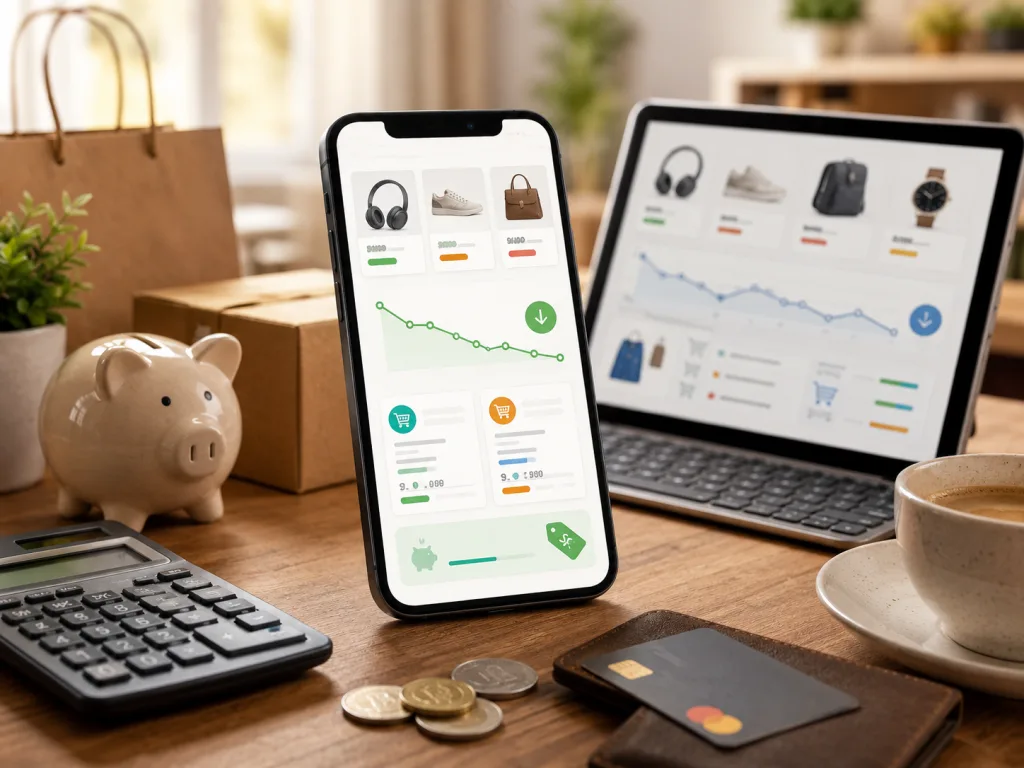
Shopping online has become much more convenient, but also more challenging. With so many stores, promotions, coupons, marketplaces, and price variations, it's not always easy to know if an offer is really worth it. It's in this scenario that smart shopping apps are gaining ground, helping consumers compare prices, track price history, receive alerts, and avoid impulse purchases.
These tools function as digital cost-saving assistants. They organize information that previously required a lot of manual research and help users make better decisions. Still, it's important to remember that technology helps, but it doesn't replace planning. The best discount is still the one applied to something you truly need.
What are smart shopping apps?
Smart shopping apps are applications, browser extensions, or platform-integrated features that assist consumers throughout their shopping journey. They can compare prices between stores, display price history, find coupons, notify users when a product becomes cheaper, and even suggest similar alternatives.
Some function like traditional comparison tools. Others are installed in your browser and appear automatically when you visit an online store. There are also tools integrated with search engines and assistants with artificial intelligence.
Google Shopping, for example, states that it organizes data from thousands of online and local stores to help users find better prices and places to shop. Chrome, on the other hand, offers "Shopping Insights" features capable of showing the price history and range of products on specific pages, when available.
Comparing prices prevents hasty decisions.
One of the biggest advantages of these apps is the quick price comparison. Instead of opening multiple tabs and manually searching store by store, the user can view different offers in just a few seconds.
This is useful because the same product can vary considerably in price between stores. Furthermore, the final price depends on factors such as shipping costs, delivery time, installment interest rates, and available coupons.
Buying well doesn't just mean choosing the lowest advertised price. Sometimes, a store with a slightly higher price offers free shipping, faster delivery, or a better reputation. Therefore, the comparison should consider the total cost and the security of the purchase.
Price history helps identify genuine promotions.
Not every promotion is truly advantageous. On some commercial dates, products may appear with large discounts, but the previous price may have only been higher for a short time. Price history helps to determine if the drop is real.
With this feature, consumers can see if the product has cost less before, if the current price is within the average, or if the promotion is just for show. This reduces the chance of buying under pressure.
Google states that its shopping features can help users compare and track prices, using a database of billions of product listings on the web. Tools of this type are especially useful for electronics, appliances, furniture, cell phones, computer equipment, and higher-value products.
Price alerts help you buy at the right time.
Another very useful feature is the price alert. The user selects a product, sets their interest, and receives a notification when the price drops.
This helps to avoid impulse purchases. Instead of buying immediately, you can monitor the price for a few days or weeks. If there's no urgency, waiting can lead to significant savings.
PayPal Honey, for example, states that it allows users to add items to their Droplist to track prices and receive alerts when a price drop is detected. This type of feature transforms the purchase into a more planned decision.
The logic is simple: when you track the price, you stop depending on the emotion of the moment.
Automatic coupons save time.
Many apps and extensions also automatically search for coupons. At checkout, they test promotional codes and apply the one that offers the best discount, when available.
This feature is practical because it avoids the need to manually search for coupons on websites scattered across the internet. PayPal states that Honey functions as both an extension and a mobile app, finding coupons, tracking prices, and offering rewards on qualifying purchases.
Still, it's important not to buy something just because a coupon appeared. The discount should enhance a purchase that already made sense, not create an artificial need.
Cashback and rewards can help, but require caution.
Some apps offer cashback, points, or rewards. This can be attractive, especially for planned purchases. However, it's important to be aware of the rules.
Often, the cashback amount is small, takes a long time to be released, or can only be used under certain conditions. Furthermore, cashback can encourage higher spending with the feeling that some of the money will be returned.
The best way to use this feature is to treat it as an extra benefit, not the main reason to buy. If the product isn't necessary, receiving a small percentage back doesn't automatically make the purchase worthwhile.
Artificial intelligence can personalize purchases.
Artificial intelligence is also making its way into online shopping. Recent tools promise to monitor prices, suggest products, track inventory, and help consumers find better options.
In May 2026, Google introduced Universal Cart, an AI-powered feature designed to gather items from different retailers, track price changes, alert users about restocking, and suggest alternatives on platforms like Search and Gemini.
This type of technology shows where the market is heading: increasingly assisted shopping through intelligent systems. The promise is to save time and money, but concerns about privacy and the use of consumer data are also emerging.
Apps also help to avoid impulse purchases.
Besides finding discounts, smart apps can help you shop more efficiently. Wishlists, saved carts, alerts, and price history create a pause between desire and purchase.
This pause is important. Many impulse purchases happen because people see a promotion and feel they need to act immediately. By saving the product and monitoring the price, the decision becomes more rational.
A good practice is to combine technology with a simple rule: wait 24 hours before buying non-essential items. If, after that time, the product still makes sense and fits within the budget, the purchase tends to be better.
Security remains essential.
Even when using comparison apps, it's necessary to check the store's reputation. A price that's too low might indicate a scam, a counterfeit product, or a problematic seller.
Idec recommends planning, research, and attention to security when shopping online, especially during major promotional periods. It's also worth checking reviews, delivery times, return policies, company information, and payment methods.
Comparing prices is important, but buying from a reliable store is essential.
How to make better use of these apps
To take advantage of smart shopping apps, start by creating lists of the products you really need. Then, track prices before you buy. Use alerts for more expensive items and compare the final price including shipping.
Also review coupons and cashback offers, but don't let them dictate your decision. If possible, use a virtual card for online purchases and check your statement frequently.
Another tip is to disable excessive notifications. Too many alerts can create unnecessary urges to buy. Keep notifications only for products you actually intend to purchase.
Conclusion
Smart shopping apps help you save money because they make it easier to compare prices, show your purchase history, send alerts, apply coupons, and better organize your purchasing decisions. With artificial intelligence, these tools tend to become even more personalized and integrated into your daily life.
However, technology must be used responsibly. The goal is not to buy more because it has become easier to find deals, but to buy better. When consumers combine smart apps with planning, patience, and attention to safety, the chances of truly saving money increase significantly.