
Tips for creating a wellness routine at home.
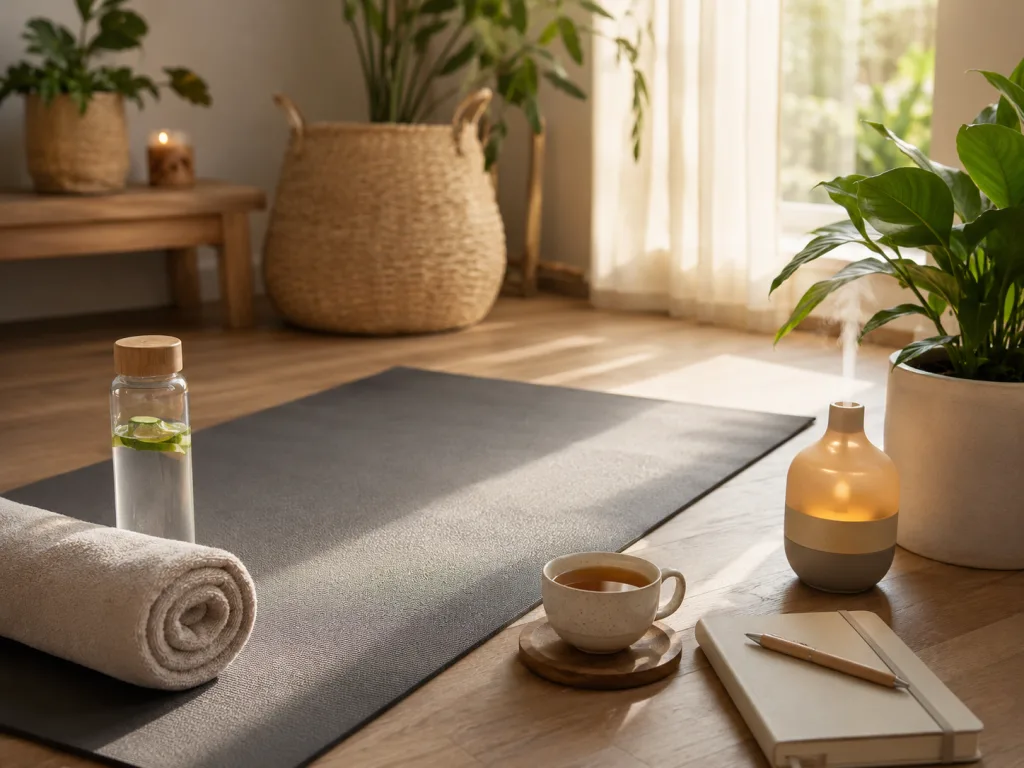
Taking care of your well-being doesn't have to depend on big changes, expensive gyms, or long periods of free time in your schedule. Often, quality of life improves with small, simple, and consistent actions taken at home. Creating a wellness routine at home is a practical way to take care of your body, mind, and daily organization without complicating your routine.
Well-being involves several aspects: sleep, nutrition, movement, rest, environment, emotional health, and time for enjoyable activities. When these areas are minimally balanced, the day feels lighter and the feeling of tiredness decreases. The goal is not to create a perfect routine, but to develop habits that are possible to maintain.
Start with a realistic routine.
The first step in establishing a wellness routine is to be realistic. Many people try to change everything at once: waking up early, exercising every day, meditating, cooking better, organizing the house, and going to bed early. Initially, motivation helps, but soon the routine becomes overwhelming.
Choose a few habits to start with. It could be drinking more water, walking for a few minutes, stretching when you wake up, or organizing your sleep schedule better. When these small actions become natural, it becomes easier to incorporate new habits.
A good routine is one that fits into your life. If you have little time, start with ten minutes a day. Small, consistent improvements work better than big plans that only last a week.
Create a more pleasant environment.
The home directly influences well-being. A very cluttered, dark, noisy, or overly busy environment can increase feelings of tiredness and irritation.
There's no need to transform everything at once. Start with a small space, like your bedroom, desk, or living room. Keep surfaces more clutter-free, organize frequently used items, and make the area easier to clean.
It's also worth valuing natural light, opening windows for ventilation, using plants, choosing soft scents, and maintaining a more welcoming lighting at night. A pleasant home doesn't need to be luxurious. It needs to convey comfort, order, and a sense of welcome.
Set aside time to move your body.
Movement is an important part of well-being. Even without a gym, it's possible to exercise at home or nearby. Stretching, walking, dancing, yoga, bodyweight exercises, and short workouts can all help you get out of a sedentary lifestyle.
Ideally, choose something you can stick to. If you don't like intense workouts, start with stretching or light walks. If you prefer more energetic activities, put on some music and dance for a few minutes.
Besides improving mood, movement helps relieve tension, improve energy levels, and reduce feelings of mental heaviness. The important thing is not to turn this into excessive pressure. The body needs stimulation, but also respect.
Take better care of your sleep.
A wellness routine needs to include sleep. Poor sleep affects energy, concentration, mood, and productivity. Therefore, creating more restful nighttime habits can make a big difference.
Try to maintain more regular sleep and wake times. Reduce screen time before bed, avoid bright lights at night, and create a wind-down ritual. This could be a warm bath, light reading, calming music, or a few minutes of deep breathing.
The bedroom should also be conducive to rest. Keep the bed comfortable, the room dark, and the temperature pleasant. Small adjustments can greatly improve sleep quality.
Organize your diet without being radical.
Healthy eating doesn't have to be complicated. Instead of following very strict diets, start by making more balanced choices every day.
Keep basic food items at home, such as fruits, vegetables, eggs, rice, beans, oatmeal, meats, yogurt, and nuts, according to your routine and preferences. Planning some meals for the week helps avoid impulse orders and impromptu snacks.
It's also important to drink water throughout the day. A visible bottle on the desk or in the kitchen can serve as a simple reminder.
The goal is not to eat perfectly, but to create a more organized, nutritious, and sustainable diet.
Include breaks during the day.
Rest is also part of well-being. Many people spend the whole day jumping from one task to another and only realize how tired they are when they are already exhausted.
Incorporate short breaks into your routine. Get up from your chair, stretch, take a deep breath, look out the window, drink some water, or walk around the house for a few minutes. These breaks help your mind regain energy.
Avoid using all your breaks to check your phone. Social media can be distracting, but it doesn't always provide real rest. Sometimes, the best rest is a few minutes without any stimulation.
Create a relaxation corner.
Having a small space to unwind can be very helpful. It doesn't have to be an entire room. It could be an armchair, a corner of the living room, a balcony, a chair by the window, or even part of the bedroom.
This space could include a comfortable cushion, a blanket, a plant, a soft lamp, or some books. The important thing is that it's associated with moments of calm.
You can use this corner to read, meditate, pray, listen to music, drink tea, or simply be in silence. Having a place to relax at home helps remind you that rest also deserves a place in your routine.
Set limits for cell phone use.
Cell phones are useful, but they can also harm well-being when they occupy all free time. Notifications, short videos, messages, and social media keep the mind in a constant state of alert.
To improve your routine, set aside time without your cell phone. This could be during meals, in the first half hour after waking up, or before bed. It's also a good idea to turn off unnecessary notifications.
This boundary helps to regain focus, reduce social comparison, and create more presence in daily activities.
Do something enjoyable every day.
Well-being isn't just about accomplishing healthy tasks. It also involves pleasure, lightness, and moments that have meaning for you.
Incorporate small, enjoyable activities into your routine: listening to music, tending to plants, cooking something simple, reading a few pages, watching a movie, chatting with a loved one, or pursuing a hobby.
These moments help to balance obligations. A healthy routine should not only be made up of discipline, but also of joy and rest.
Conclusion
Establishing a wellness routine at home is a simple way to take better care of yourself. Small habits, such as sleeping better, moving your body, organizing your environment, eating a more balanced diet, taking breaks, and reducing excessive screen time, can transform the quality of your day.
The secret is to start slowly and choose practices that fit your reality. You don't need to do everything perfectly. The most important thing is to create a routine that is achievable, easy, and consistent.
With small changes, your home can become a space for rest, care, and balance, helping you live with more energy and tranquility.